
7 Best Investment Property Types in Georgia Returns
Last Updated: November 14, 2026
Quick Summary
The best investment property types in Georgia include single-family homes, duplexes and triplexes, fourplexes, larger multifamily buildings, and short-term rentals. Each type trades entry cost, cash flow, and risk differently, so the right choice depends on your budget, time, and tolerance for vacancy. An investment property is any home or building you buy mainly to earn rental income or build equity.
- Single-family homes have the lowest entry cost, but one vacancy means zero rent.
- Duplexes and fourplexes spread risk across several units, supporting steadier cash flow.
- Short-term rentals can earn higher nightly rates but face seasonal swings and local rules.
- The 7% rule, where monthly rent is at least 7% of price, is a quick filter, not a verdict.
- Model property taxes, insurance, vacancy, and maintenance before comparing offers on net cash flow.
Table of Contents
- Georgia Rental Property Types Compared Side by Side
- Single-Family Homes: Lower Entry Cost, Steady Demand
- Multifamily and Duplexes: Stronger Cash Flow Per Dollar
- Testing Any Property With the 7% Rule for Investment Property
- Investment Property Cash Flow: Counting Costs Before You Buy
- Choosing Your Investment Property Type and Next Step
- Frequently Asked Questions
Choosing among the best investment property types in Georgia is the first real decision an investor makes, and it shapes everything after it: financing, management, expected cash flow, and how much risk you carry. Investors who settle on a property type before they settle on a neighborhood tend to make cleaner decisions.
An investment property is any home, duplex, or apartment building you buy primarily to earn rental income or to build equity over time. The property type you choose determines your entry price, your operating costs, and how many tenants you depend on. A single tenant leaving a single-family house affects your income far more than one vacancy in a fourplex.
Many investors start by asking which market is hottest. That question matters, but it comes second. A strong market paired with the wrong property type can still underperform, while a solid property type in an ordinary area can perform well if the numbers work.
Before you tour a single listing, decide what you want the property to do for you. Are you looking for monthly cash flow, long-term appreciation, or a mix of both? Your answer narrows the property types worth studying.
Georgia Rental Property Types Compared Side by Side
The table below compares the most common rental formats investors consider in Georgia. Costs and returns depend heavily on the specific submarket, condition, and financing, so treat these comparisons as starting points for your own analysis.
| Property Type | Typical Entry Cost | Main Advantage | Main Drawback | Best Fit |
|---|---|---|---|---|
| Single-family home | Lowest per unit | Easy to finance, broad tenant pool | One vacancy means zero rent | First-time, hands-on investors |
| Duplex or triplex | Moderate | Income from multiple units | Shared maintenance and tenant issues | Owner-occupants and small landlords |
| Fourplex | Higher | Stronger cash flow per dollar | Larger down payment and reserves | Investors scaling beyond one door |
| Larger multifamily | Highest | Economies of scale in management | Commercial-style financing and underwriting | Higher-capital or passive investors |
| Short-term rental | Varies widely | Higher nightly rates in demand areas | Seasonal swings and local rules | Investors with active management capacity |
Compare these formats against your budget, your time, and your tolerance for vacancy. A property type that looks attractive on paper can be a poor fit if you cannot cover reserves for a slow season.
Georgia-specific demand drivers. The state's rental demand is not uniform. Metro submarkets often attract corporate relocation and long-term renters, while university towns see demand tied to the academic calendar. Short-term rental demand often clusters around tourist destinations, but local permitting and homeowner association rules can restrict or prohibit that use. Before you commit to a format, confirm that the submarket you are targeting actually supports it.
A note on landlord law and taxes. Rent control rules, rental licensing, state income tax, and local property taxes vary by jurisdiction, and landlord-tenant rules on notice and security deposits apply. Investors should confirm current state and local requirements with the appropriate official sources and counsel before buying or signing a lease.
Risk-adjusted view. Gross rent is not the same as net return. Insurance premiums for rental properties can run higher than a standard homeowner policy, and older properties carry higher maintenance and capital expenditure risk. A property type that shows strong gross rent can underperform after vacancy, taxes, insurance, maintenance, and financing costs are subtracted. Run each candidate through a full expense model before comparing formats.
Single-Family Homes: Lower Entry Cost, Steady Demand
Single-family homes are often a first choice for newer investors. Their purchase price is generally lower, and the pool of renters is large.
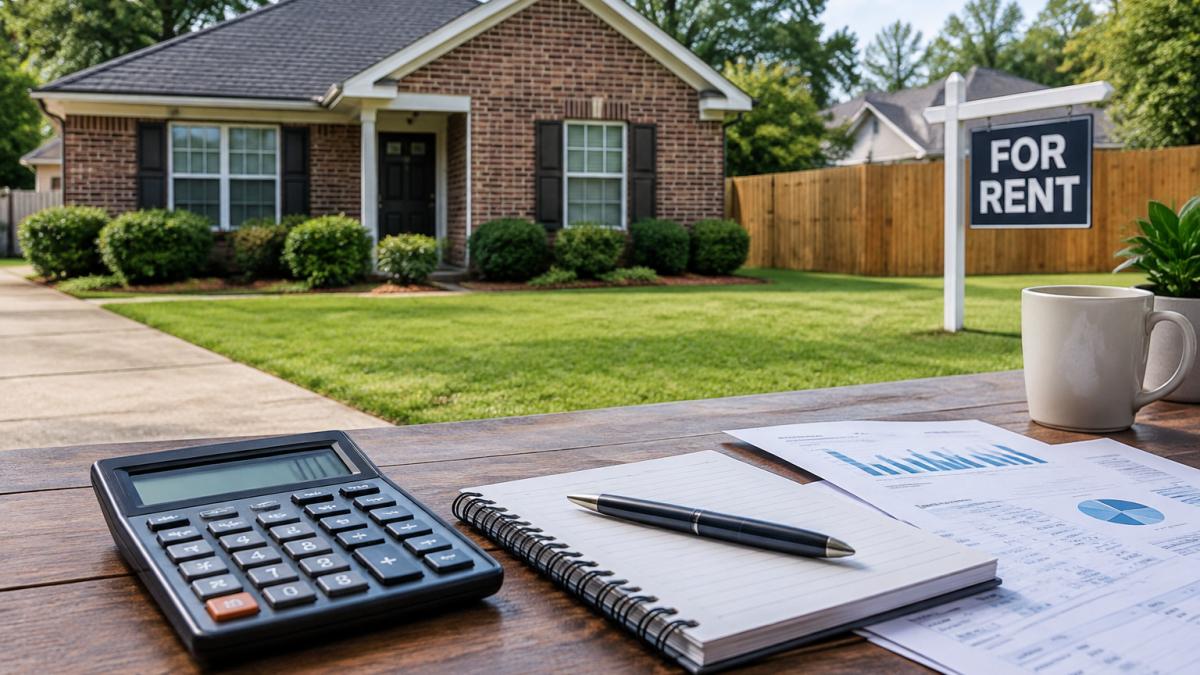
The trade-off is concentration. You have one income stream, so a single vacancy eliminates your rent entirely while your mortgage and taxes continue. Keep several months of reserves before you buy.
A common mistake is buying a single-family home with the lowest price on the block without checking condition. A cheap roof or older HVAC system can erase the savings within a year. Get a thorough inspection and budget for repairs before comparing offers.
Multifamily and Duplexes: Stronger Cash Flow Per Dollar
Multifamily properties and duplexes spread risk across several units. If one unit sits empty, the others keep producing income. Many investors find that a duplex or fourplex delivers more monthly cash flow per dollar invested than a single-family home of similar cost.
The added complexity is real. You manage more tenants, more repairs, and sometimes more local regulations. Financing can also differ, since many lenders treat owner-occupied duplexes and investment-only properties under different terms. Ask a lender early which programs apply to the property you have in mind.
What most buyers miss is the value of a property that lets you live in one unit while renting the others. That arrangement can lower your initial down payment in some loan programs, though terms vary by lender.
Testing Any Property With the 7% Rule for Investment Property
One quick screening method is the 7% rule, which suggests that monthly rent should be at least 7% of the purchase price for the property to likely cash flow.
Treat the 7% rule as a filter, not a verdict. It ignores financing terms, property taxes, insurance, and local rent levels, all of which vary by market. Use it to eliminate weak candidates quickly, then run a full analysis on the properties that pass.
Investment Property Cash Flow: Counting Costs Before You Buy
Cash flow is what remains after you pay all expenses, including your mortgage, property taxes, insurance, maintenance, vacancy allowances, and management fees. Many new investors count only rent and the mortgage payment, then get surprised by the rest.
Build a simple worksheet before making an offer. List projected rent, subtract a vacancy estimate, then subtract each recurring cost. Set aside a reserve for repairs, typically a percentage of rent that you adjust based on the property's age and condition.
The cost categories most investors underweight. A transparent cash-flow model separates gross rent from net operating income and then from cash flow after debt service. The categories that most often surprise new landlords are:
- Property taxes. Property taxes are assessed locally, and rates vary. Use the actual tax bill for the parcel, not a general average.
- Insurance. Rental dwelling policies and landlord liability coverage cost more than a standard homeowner policy, and premiums rise with age, roof condition, and storm exposure. Get a quote before you make an offer.
- Vacancy and credit loss. Even strong submarkets see turnover. Vacancy planning should be adjusted for the property type and area, including properties in transient or student-heavy areas.
- Maintenance and capital expenditures. Distinguish routine repairs from big-ticket replacements such as roofs, HVAC systems, and water heaters. A reserve funded monthly prevents a single repair from wiping out a year of cash flow.
- Management. Property management arrangements vary, and their cost should be included in your cash-flow model. Even self-managers should model a management line, because the cost appears if you ever step back.
- Financing. Investment property loans often carry higher rates than owner-occupied loans, and lender reserve requirements can tie up capital. Model the actual loan terms, not a generic rate.
Gross rent versus net return. A property that rents for a strong monthly figure can still produce weak net cash flow once taxes, insurance, maintenance, vacancy, and management are subtracted. Compare candidates on net cash flow and on cash-on-cash return, annual pre-tax cash flow divided by total cash invested, rather than on rent alone. That single change in method separates properties that look good from properties that perform.
Short-term rental cash flow is different. Nightly rates can exceed long-term rent in demand areas, but revenue is seasonal, operating costs are higher (utilities, cleaning, supplies, platform fees), and local permitting rules can change. Model a slow season and confirm that the property still covers its fixed costs.
Compare your result against your goals. Positive monthly cash flow means the property pays for itself, while negative cash flow means you are subsidizing the investment from other income. Neither is automatically wrong, but you should choose it knowingly.
Watch out: a cash-flow projection built on the seller's stated rent, rather than on verified market rent and the actual tax and insurance bills, is the most common source of post-closing disappointment.
Choosing Your Investment Property Type and Next Step
The right property type depends on your budget, your time, and how much vacancy risk you can absorb. Single-family homes suit buyers who want a lower entry cost, while multifamily properties suit buyers who want more cash flow per dollar and can handle added management.
Before you commit, research the neighborhoods where your chosen type performs best. Our guide on identifying high growth neighborhoods in North Georgia walks through the factors that separate strong submarkets from weak ones. Once you know your property type, learning how to find off-market homes can give you access to listings that never reach the wider market. Finally, how to vet real estate agents explains what to check before you hire someone to represent you.
Investing well means matching a property type to your goals, running the numbers honestly, and working with people who understand local conditions. North Ga Homes Group at Waldrip Real Estate is a full-service real estate team that can help you think through your property goals. Contact our team for a conversation about your investment plans.
Frequently Asked Questions
What is the 7% rule for investment property?
The 7% rule is a quick screening test. It says a rental's annual rent should be at least 7% of its purchase price, so the monthly rent should be at least 7% of the purchase price. It is a shortcut, not a full analysis. It ignores financing terms, vacancy, and local property taxes, so use it to filter listings before running a detailed cash flow model on the properties that pass.
Which property type is best for investment?
No single type wins for every investor. Single-family homes usually cost less to enter and attract long-term tenants, while multifamily properties spread costs across several units and often produce stronger cash flow per dollar invested. Duplexes sit between the two and suit first-time investors who want to live in one unit. Match the choice to your budget, time, and tolerance for management work.
Are single-family homes or multifamily properties better investments?
Single-family homes are easier to finance and sell individually, and they often appreciate steadily. Multifamily properties produce more income per purchase and are less exposed to one vacancy, but they usually require a larger down payment and more management. Compare cap rate, cash-on-cash return, and operating expenses for each specific property rather than choosing by type alone.
What should I consider before buying a rental property in Georgia?
Check local rent levels against purchase prices, property taxes, insurance costs, and expected vacancy. Review current state and local landlord-tenant rules, including security deposit and eviction procedures, with counsel, and confirm local short-term rental regulations if you plan to list on a booking platform. Budget for repairs and reserves, and run cash flow numbers before making an offer.


