
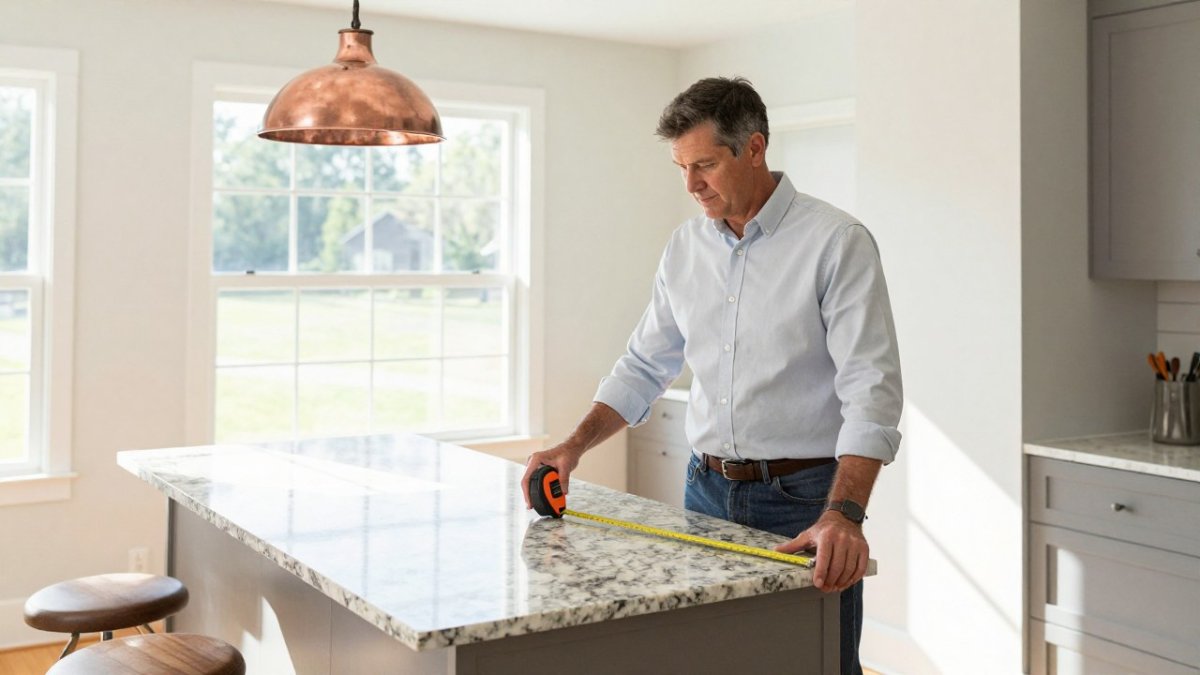
Best Home Improvements for Resale Value in 2026
Quick Summary
The home improvements that tend to raise resale value most are visible, modestly priced upgrades like garage door refreshes and front door and entryway updates. Results vary by market, so check local comparable sales before spending.
- Garage door replacement or refresh covers a large share of the front elevation and shapes first impressions.
- A steel or fiberglass front door with solid hardware often reads as a better-maintained home.
- Skip highly personal upgrades like pools or custom media rooms, which can narrow the buyer pool.
- Projects listed within 60 days should be quick, visible, and low-disruption, such as neutral paint and deep cleaning.
- Price the home using recent local sales of similarly updated homes, not the cost of the project.
Table of Contents
- Best ROI Home Improvements for 2026: Where Sellers Get the Most Back
- Worst ROI Home Improvements to Skip Before Listing
- Home Improvement Return on Investment Chart: How to Read the Numbers
- Low-Cost Improvements Before Selling That Lift Buyer Appeal
- Net Proceeds, Time Until Sale, and Choosing Your Project
- Pricing Your Hall County Home After Improvements
- Planning Your Pre-Listing Upgrades With North Ga Homes Group
- Frequently Asked Questions
Best ROI Home Improvements for 2026: Where Sellers Get the Most Back
Sellers in Hall County often ask which upgrades are worth paying for before listing. Improvements that raise resale value tend to be visible, modest in cost, and easy for a buyer to notice on a first walkthrough. The projects below fit that description, though no one can promise what any single project will return in your market.
Return on investment depends on what the project costs, what it adds to the sale price, and how long you hold the house. Treat the figures you find online as directional. Ask where the numbers came from, what year they describe, and whether they reflect your region.
Garage Door Replacement and Refresh
The garage door covers a large share of the front elevation, so its condition shapes first impressions. Many sellers choose the refresh when the door is structurally sound but tired-looking.
A common mistake is replacing a working door with a premium model that buyers do not notice. Match the style to the home's architecture instead.
Front Door and Entryway Upgrades
A front door is one of the most photographed features of a listing. A steel or fiberglass door with solid hardware often reads as a better-maintained home. Pair it with a clean welcome mat, a fresh house number, and working exterior lighting.
Watch out: a cheap door with flimsy trim can look worse than the old one. Install it properly or leave it alone.
Worst ROI Home Improvements to Skip Before Listing
Some projects rarely return their full cost at sale. Highly personal upgrades are the usual culprits. A backyard pool, a custom media room, or an unusually bold paint color may appeal to you but narrow the buyer pool. Major structural work done without permits can also cause problems during inspection.
Before spending on a large project, ask your agent how comparable homes in your area have sold with and without similar features. That local evidence usually matters more than a national average.
Home Improvement Return on Investment Chart: How to Read the Numbers
ROI figures are usually expressed as the share of project cost recovered at sale. Cost-versus-value studies often publish these numbers by project type and by region, so look for the year and the regional breakdown before relying on them.
A common pattern in those studies is that the highest cost-recovery projects are exterior and entry upgrades rather than full kitchen or bath remodels. The exact percentages move year to year and vary by region, so treat any single figure as directional rather than a promise.
Here is how to read a published ROI chart without being misled:
- Check the cost basis. Most studies quote a national average project cost that includes materials and professional labor. If you plan to do the work yourself, your cost is lower and your recovery rate is higher, but your time is not free.
- Check the region. Labor costs in high-cost metro areas can run well above the national average, which lowers the recovery rate on the same project. Ask whether the study breaks out your region or only reports a national figure.
- Check the year. Material prices for lumber, steel, and windows moved sharply in recent years. A 2022 figure may not describe a 2026 project.
- Check what is measured. Cost recovery compares project cost to added sale price. It does not subtract selling costs, carrying costs, or the disruption of living through the project.
A more useful exercise than reading a national chart is to build a short local comparison. Ask your agent to pull recent sales of homes with and without the upgrade you are considering, then compare the price difference to your quoted project cost.
Low-Cost Improvements Before Selling That Lift Buyer Appeal
Some preparation costs very little. Fresh neutral paint, repaired caulk, deep cleaning, decluttering, and replacing dated cabinet hardware all help a home photograph and show well. These changes also reduce the chance that a buyer's inspector finds a visible problem and uses it to negotiate.
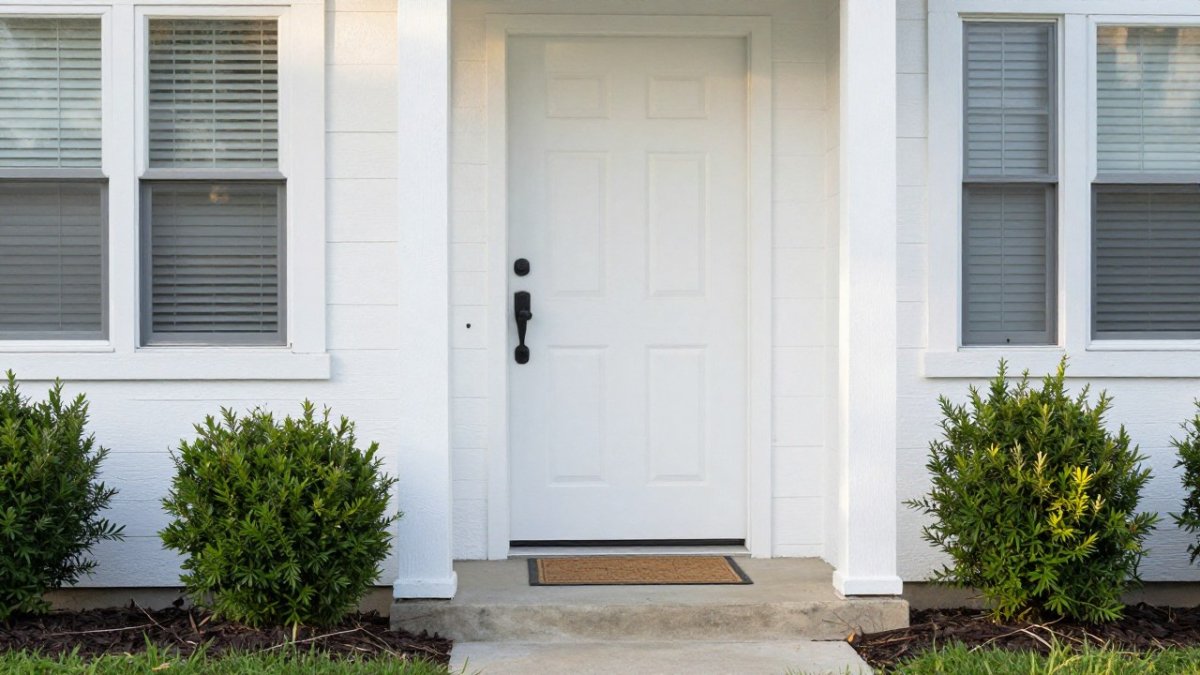
Focus on what buyers see in the first five minutes: entry, kitchen, and the main living area.
Several preparation tasks cost little and help a home show well, as the article notes:
| Task | Cost level | Focus area |
|---|---|---|
| Fresh neutral paint | Low | Entry, kitchen, living area |
| Repaired caulk | Low | Visible problem areas |
| Deep cleaning | Low | First five minutes of viewing |
| Decluttering | Low | Main living area |
| Replacing dated cabinet hardware | Low | Kitchen |
Net Proceeds, Time Until Sale, and Choosing Your Project
Your net proceeds equal the sale price minus selling costs such as commissions and closing fees, minus the project cost. To see how to maximize your home sale value in North Georgia, compare the options for your property. That sounds simple, but the timing of the project changes the math more than most sellers expect. A project that recovers 70 percent of its cost is a loss if it delays your listing by two months and you carry the mortgage, taxes, and insurance through that delay.
A practical way to choose is to sort projects by how many months you have before you want to list.
If you are listing within 60 days, favor projects that are quick, visible, and low-disruption. Interior paint in neutral tones, deep cleaning, decluttering, replacing dated cabinet hardware, repairing caulk and grout, and refreshing landscaping are common candidates. Avoid anything that requires a permit, a specialty contractor, or more than a week of work, because a scheduling delay can push your listing date.
If you have three to six months, you can consider a single larger project with a known lead time, such as a garage door replacement or an entry door upgrade. Get the contractor's schedule in writing before you commit, and build in a buffer.
If you have more than six months, a larger project may make sense if local comparables support it. This is also the window to address deferred maintenance and safety-critical systems, such as an aging water heater, a roof with missing shingles, or outdated electrical outlets, before you spend on cosmetic work. Buyers and inspectors notice these items, and a repair credit at closing often costs more than fixing the issue before listing.
Watch out: starting a permitted project too close to your listing date can force you to disclose an open permit or delay closing, which can cost more than the project was expected to return.
Consider permits and contractor lead times as part of the project cost, not as an afterthought. Before you sign a contract, ask the contractor for a written start date, a completion estimate, and confirmation that the permit will be closed before you list.
Pricing Your Hall County Home After Improvements
Improvements only help if the price reflects them. Overpricing a newly updated home is as costly as underpricing it. Once the work is done, your agent should compare recent local sales of homes with similar updates, not the cost of the project itself. For guidance on setting a price for the local market, see Pricing Strategies for Selling Hall County Homes. Buyers pay for what the house is worth to them, not what you spent.
Planning Your Pre-Listing Upgrades With North Ga Homes Group
North Ga Homes Group at Waldrip Real Estate can help you sort projects by likely return, budget, and timeline before you spend a dollar. Contact the team to talk through your home and the options that fit your plans. Agree on how you will stay in touch by reviewing agent communication expectations to set early.
Last Updated: November 10, 2026
Frequently Asked Questions
What home improvements increase property value the most?
Projects that buyers see first and that cost relatively little tend to return the most at sale. Garage door replacement, steel entry door upgrades, and curb appeal work such as landscaping cleanup and fresh exterior paint are consistently among the strongest performers in resale cost-versus-value reporting. Kitchen and bathroom updates can help, but full remodels rarely recover their full cost. Compare the cost of each project against the recouped value in a current cost-versus-value report for your region, and check whether the project suits your local buyer pool before you commit.
Is it better to remodel a bathroom or update the landscaping before selling?
For most sellers, landscaping and exterior updates deliver more buyer appeal per dollar than a bathroom remodel. Curb appeal affects the first impression that brings buyers to the door, while a bathroom remodel is usually a larger expense with a smaller share recouped at sale. A small bathroom refresh, such as new fixtures, fresh caulk, and updated lighting, can be a reasonable middle option if the existing bath is clearly dated. Start with the lowest-cost exterior work, then decide whether interior updates are still needed based on comparable sales in your area.
Should I renovate my kitchen before selling my home?
A full kitchen renovation rarely pays back its full cost at sale. Minor updates, such as refreshed cabinet hardware, repainted cabinets, new lighting, and cleaned or replaced countertop surfaces, often give buyers a sense of a well-kept home at a much lower price. Consider a major remodel only if the kitchen is badly out of date compared with homes that sell nearby, and confirm that with your agent using recent comparable sales before you start any work.
How can I increase my home's value without overspending?
Focus on low-cost, high-visibility work first: clean and repair the exterior, touch up interior paint in neutral tones, replace worn light fixtures and hardware, and make sure the home is clean, decluttered, and staged. Repairs that buyers would otherwise ask you to fix, such as a leaking faucet or a damaged floorboard, can protect your negotiating position. Avoid large projects unless you have time before listing and clear evidence that buyers in your price range expect them.


